· Marketing · 3 min read
Contactless Menus Without QR Codes: How Restaurants Use Audio Instead
Discover how restaurants are upgrading from printed QR codes to audio beacons to provide seamless, contactless menus and enhance the dining experience.
The Evolution of Contactless Menus
Restaurants everywhere quickly adopted printed QR codes for menus out of necessity. It was a practical solution that allowed customers to access the menu on their smartphones without handling physical menus. However, scanning a QR code is not always a flawless experience. Sometimes the lighting is too dim, the code is smudged, or the phone camera struggles to focus.
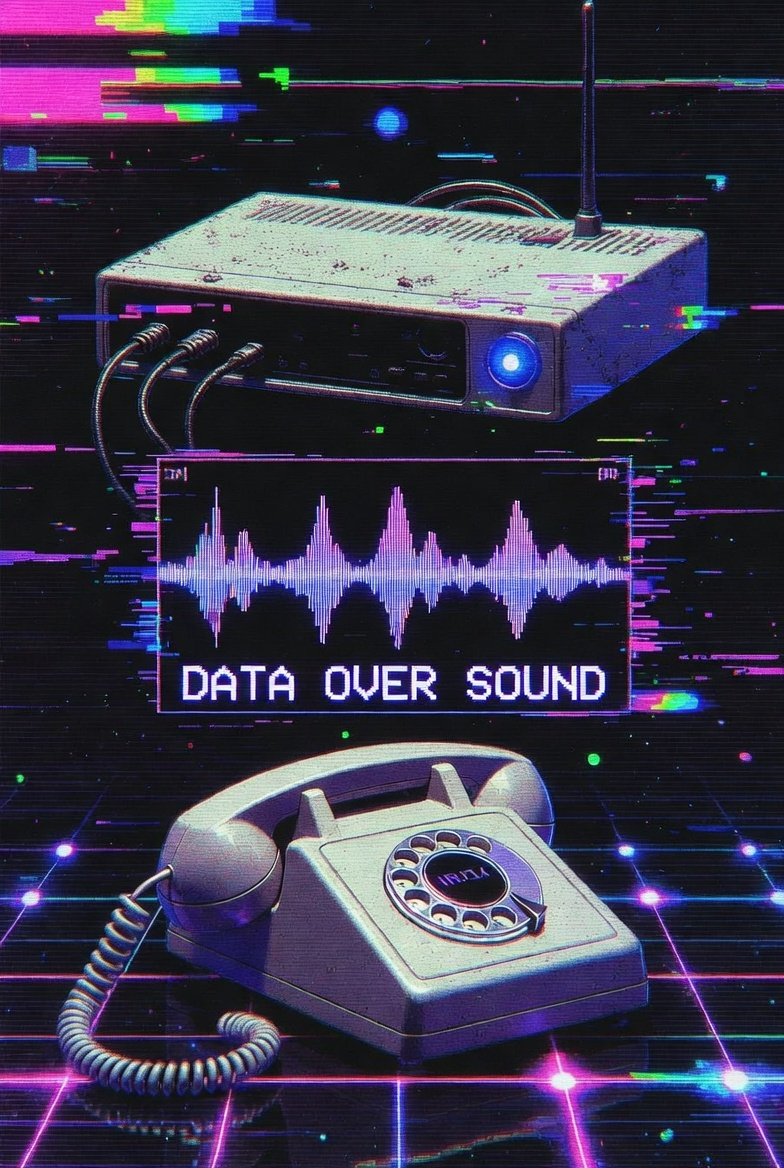
As technology advances, the next wave of contactless interaction is emerging, and it does not rely on visual scanning. Instead of pointing a camera at a code on a table tent, restaurants are beginning to explore audio beacons. These beacons transmit a high-frequency sound signal that nearby smartphones can pick up, automatically prompting the user with a link to the menu.
How Audio Beacons Work in a Dining Setting
The technology behind audio beacons is remarkably straightforward. A small device plays an inaudible audio sequence. When a customer sits down and opens an app equipped with the right technology, the microphone detects this sound. The app instantly decodes the audio signal into a direct link to the digital menu.
This approach solves several pain points associated with traditional QR codes. Waitstaff no longer need to replace worn-out stickers on tables. Customers do not have to squint or adjust their phones to get a scan. The audio transmission creates a seamless entry into the ordering process.
Enhancing the Customer Experience with Sound
Beyond just delivering a menu, audio technology opens up new possibilities for customer engagement. Restaurants can use these audio signals to offer daily specials, loyalty program sign-ups, or even interactive polls while customers wait for their food. When a customer receives the menu via sound, the novelty of the interaction itself can leave a lasting positive impression.
Furthermore, this technology integrates beautifully with existing merchant tools. Utilizing platforms designed to manage these interactions, restaurant owners can push notifications or update the menu in real-time. If an item runs out, the digital menu reflects it instantly.
The Future of Restaurant Ordering
While visual QR codes will likely remain a staple for some time, audio-based data transfer is paving the way for a more magical dining experience. It feels effortless and futuristic, yet it relies on the basic principles of sound transmission that have been around for decades.
Audio beacons provide a unique solution to the limitations of visual codes. By making the transmission of digital menus invisible and automatic, restaurants can focus more on what truly matters, which is providing excellent food and exceptional service.
Try Qrblox free today
Scan QR codes, share via audio, chat with AI, earn streaks, and grow your business — all from one free app.