
· Competitor · 4 min read
GibberLink vs Qrblox: Audio Data Transfer Apps Compared
A look at the differences between the GibberLink hackathon project and the fully realized, consumer-ready Qrblox application for data over sound.
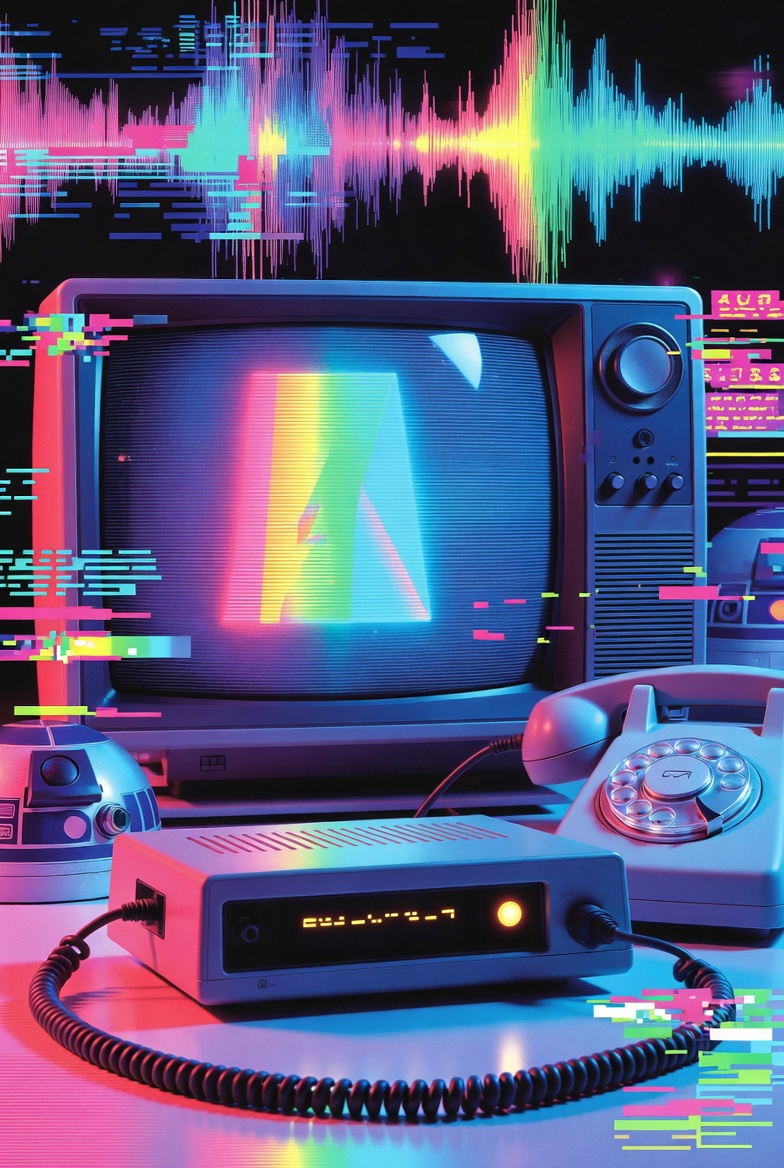
The open-source community has always been a driving force for technological innovation, and the realm of audio data transfer is no exception. With the development of powerful audio transmission libraries, developers have experimented with fascinating new ways for devices to communicate. Two interesting examples of this technology in action are GibberLink and Qrblox. While both leverage similar underlying concepts to transmit information through sound waves, they exist at completely different stages of product maturity and serve very different purposes.
The Experimental Nature of GibberLink
GibberLink gained attention as a clever hackathon project demonstrating the potential of audio-based communication. Built using the open-source ggwave library, the primary goal of GibberLink was to showcase how artificial intelligence agents could communicate with each other using sound. By encoding messages into audio frequencies, the project allowed distinct AI entities to exchange data audibly, much like how old dial-up modems used to negotiate connections.
While GibberLink is an impressive technical demonstration, it remains fundamentally an experimental hackathon project. It was designed to prove a concept rather than to serve as a daily utility for the general public. There is no polished consumer interface, no dedicated customer support, and no comprehensive ecosystem built around it. It is a fascinating glimpse into machine-to-machine communication, but it is not a production-ready application that a typical smartphone user can download and use to share information with friends or customers.
The Complete Consumer Experience of Qrblox
Qrblox, on the other hand, takes the raw potential of audio data transfer and refines it into a polished, production-ready mobile application. Also utilizing the robust ggwave library, Qrblox successfully bridges the gap between complex engineering and everyday usability. It is a fully realized product available for download right now, completely free of charge. Instead of focusing solely on machine-to-machine communication, Qrblox is designed specifically for human-to-human and business-to-consumer interactions.
The user experience in Qrblox is completely frictionless. You do not need technical knowledge to operate it. The app seamlessly integrates standard visual QR code scanning with cutting-edge audio sharing capabilities. This means you can point your camera at a traditional code or simply use your device microphone to pick up an audio transmission from another phone across the room. It brings the magic of data over sound to anyone with a modern smartphone, entirely eliminating the need for complex setups or specialized hardware.
Expanding Beyond Basic Functionality
What truly separates Qrblox from experimental projects like GibberLink is its extensive suite of features tailored for active consumer and merchant use. Qrblox integrates its own artificial intelligence tools directly into the chat interface, allowing users to interact with AI while managing their scanned data. This provides a deeply engaging experience that goes far beyond a simple data transfer demonstration.
Furthermore, Qrblox is built with retention and utility in mind. The application incorporates gamification features like interactive streaks and challenges that make using the app inherently rewarding. For the business-minded user, Qrblox provides comprehensive merchant tools and built-in analytics. Small business owners can generate audio codes for promotions and easily track how many times those codes have been scanned or heard, providing valuable insights without the need for external analytics software.
From Concept to Reality
Hackathon projects like GibberLink are essential for pushing the boundaries of what is technically possible, proving that data over sound using the ggwave library is a viable method of communication. However, when it comes to practical, everyday use, you need a stable and feature-rich platform.
Qrblox represents the realization of that underlying potential. It takes the brilliant concept of audio data transfer and packages it into a free, beautifully designed application that anyone can use. With its seamless mobile-first approach, integrated artificial intelligence, and powerful merchant tools, Qrblox is not just an experiment. It is the definitive consumer solution for modern, contactless data sharing.
Try Qrblox free today
Scan QR codes, share via audio, chat with AI, earn streaks, and grow your business — all from one free app.


