· QR Codes · 3 min read
NFC Alternative for iPhone: Why Audio Beats Tap to Share
Examine the limitations of NFC on Apple devices and explore how audio data transfer provides a more versatile alternative for local sharing.
Near Field Communication has long been touted as the definitive solution for quick, local interactions between devices. The familiar “tap to pay” or “tap to share” paradigm is deeply ingrained in the modern mobile experience. However, when it comes to developing custom applications for the iPhone, NFC presents several significant limitations that often frustrate developers and restrict user functionality. These constraints have led many to seek out alternative methods for local communication, and acoustic data transfer is emerging as a compelling solution that bypasses these hurdles entirely.
The primary issue with NFC on Apple devices stems from the platform’s strict security and privacy architecture. Unlike some other operating systems where NFC hardware is broadly accessible, Apple tightly controls the APIs related to NFC communication. Historically, third-party developers have faced severe restrictions on how they can interact with the NFC chip, often limiting their capabilities to basic tag reading rather than bidirectional data exchange. While Apple has gradually opened up some functionality over the years, the implementation often remains complex and tied to specific entitlement requirements that can delay or derail app approval processes.
Overcoming Range Limitations
Beyond software restrictions, NFC suffers from fundamental physical limitations, most notably its extremely short range. As the name implies, Near Field Communication requires devices to be in very close proximity—typically within a few centimeters—or even physically touching. This requirement for precise physical alignment can create friction in many use cases. If a user wants to share contact information across a conference table or send a link to someone standing a few feet away, NFC is entirely useless. It forces users into an awkward dance of aligning their devices perfectly before the transaction can even begin.
Audio data transfer fundamentally solves this range problem by utilizing sound waves to broadcast information. Instead of requiring physical contact, an app can encode data into an audio chirp or a near-ultrasonic tone that travels through the air to any listening device within earshot. This dramatically increases the effective range of local sharing from a few centimeters to several meters, depending on the volume and environmental conditions. It allows a single device to broadcast a payload to multiple recipients simultaneously, a feat that is entirely impossible with the point-to-point nature of NFC.
The Universal Hardware Advantage
The most significant advantage of acoustic data transfer is its reliance on universally available hardware. Every modern smartphone, regardless of its operating system, age, or price tier, is equipped with a functional microphone and speaker. While some budget or older devices may lack an NFC chip entirely, they can still participate in audio-based communication. This universality ensures that your application features are accessible to the broadest possible audience without worrying about hardware fragmentation or compatibility issues.
When building features for apps like Qrblox, choosing audio over NFC ensures a consistent experience across both iOS and Android platforms. Developers can rely on libraries like ggwave to handle the complex encoding and decoding processes, ensuring that data is transmitted reliably across different devices. By moving away from the restricted hardware access and physical limitations of NFC, developers can create more fluid, versatile, and magical local sharing experiences that delight users and simplify their interactions.
Try Qrblox free today
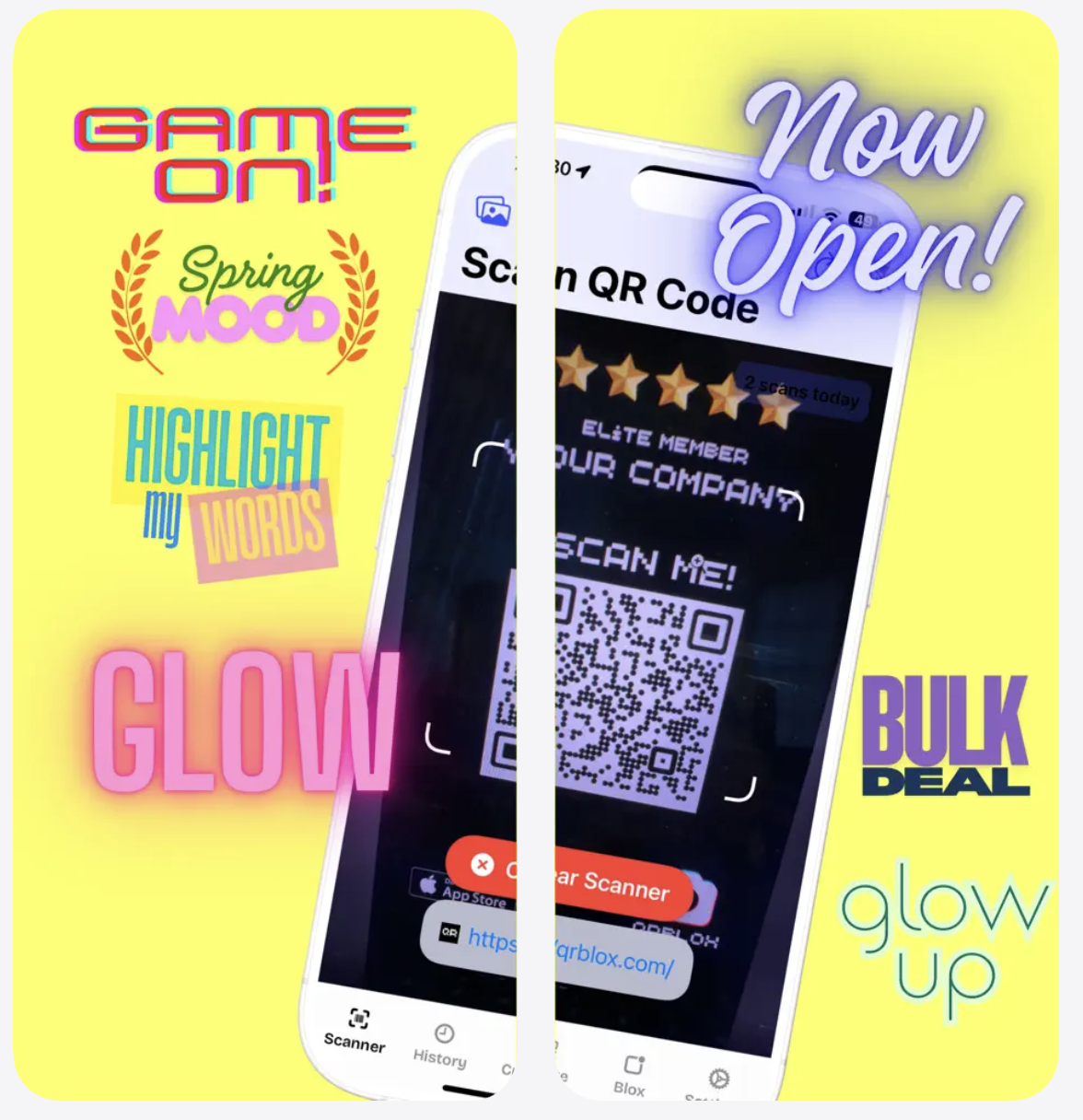
Scan QR codes, share via audio, chat with AI, earn streaks, and grow your business — all from one free app.